Case study · Fisheries & behaviour change
An IEC strategy to address illegal fishing on Lake Tanganyika
For The Nature Conservancy, Bahari Remedies designed an evidence-based Information, Education and Communication strategy and led its first phase of rollout across ten fishing villages.
The challenge
Rules exist. Destructive fishing persists.
Illegal, Unreported and Unregulated (IUU) fishing threatens the ecological integrity of Lake Tanganyika and the livelihoods that depend on it. Beach Management Units and national fisheries frameworks are in place, yet beach seines, monofilament and mosquito nets and other prohibited gear remain in use.
Weak enforcement capacity, household economic pressure and uneven awareness of sustainable fisheries management all keep these practices going. The Nature Conservancy wanted a coordinated, community-centred response that would strengthen local participation and complement existing fisheries management.
Our approach
From evidence to a working system on the ground
Literature review
National policy and legal frameworks, plus regional and global practice on IEC and IUU fishing, including the FAO Small-Scale Fisheries Guidelines.
Participatory situational analysis
Focus groups and key informant interviews in ten villages with fishers, processors, traders, BMU members, women, youth, religious leaders and local officials.
Stakeholder mapping & segmentation
Audience groups identified and categorised to shape distinct messages and engagement for communities and institutions.
Strategy design
A phased framework of foundation-building, intensive community engagement and institutionalisation, tailored to each village and aligned with co-management systems.
Pilot implementation
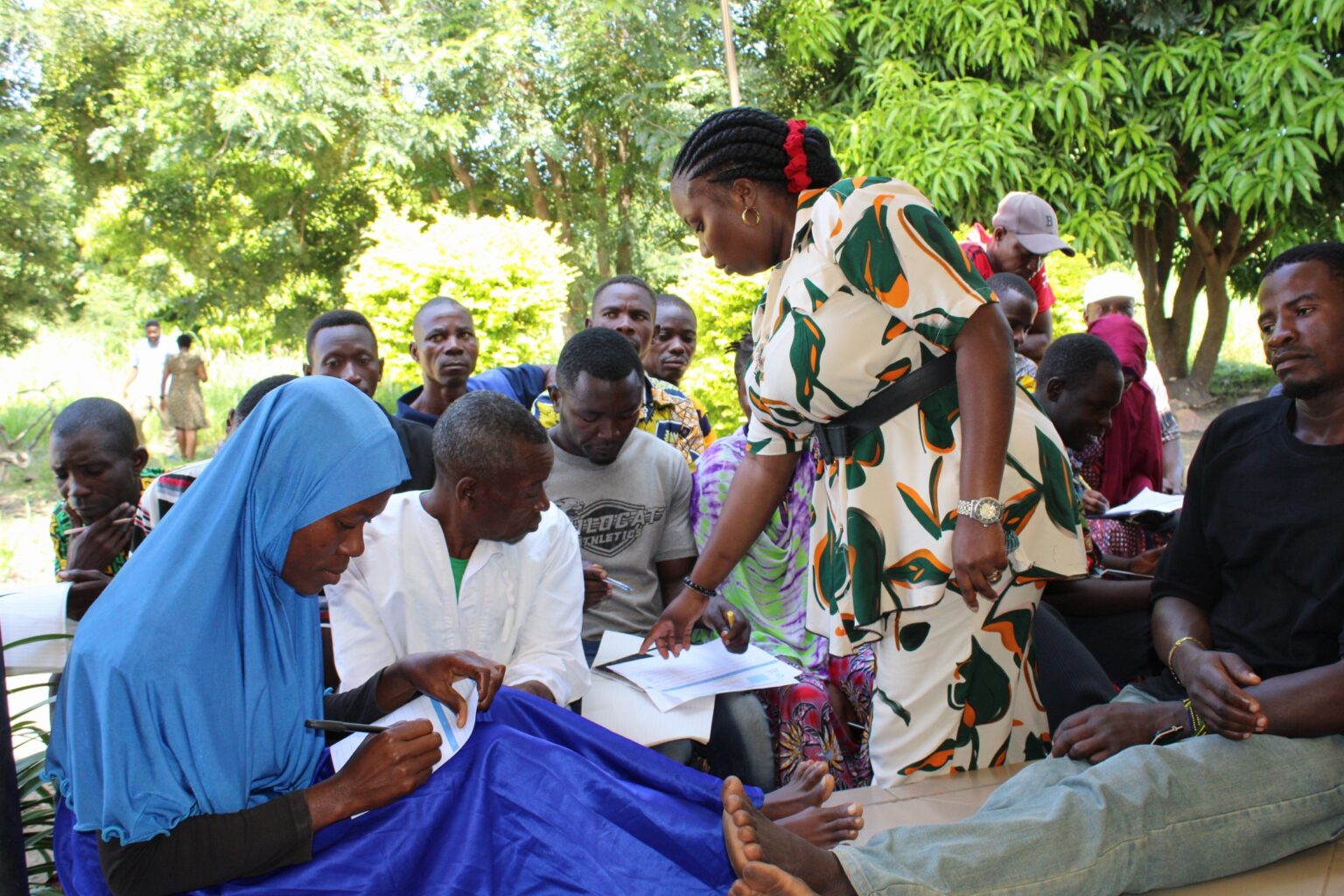
Initial rollout through training community champions and delivering awareness sessions in the villages.
Monitoring & evaluation
A monitoring system built on baseline Knowledge, Attitudes and Practices (KAP) indicators, with mid-term and end-term evaluation points.
Key deliverables
What we handed over
- Literature review and situational analysis report
- A comprehensive IEC strategy for the Lake Tanganyika landscape
- A six-module IEC toolkit with Kiswahili materials: flyers, brochures, posters and roll-up banners
- 64 community champions trained across 10 villages to drive awareness and behaviour change
- The KUZITA conservation club at Kipili Secondary School, bringing together 208 students to sustain anti-IUU messaging
- About 1,100 IEC materials distributed to BMUs, schools, religious institutions and local government offices
- A monitoring framework built into village by-laws, ward development plans and district governance structures


Practical value
A complete, working IEC system that links community behaviour change with fisheries co-management, ready to apply now and to scale up later.